Whole Home
Ultimate Guide To Historic Home Restoration (2026)
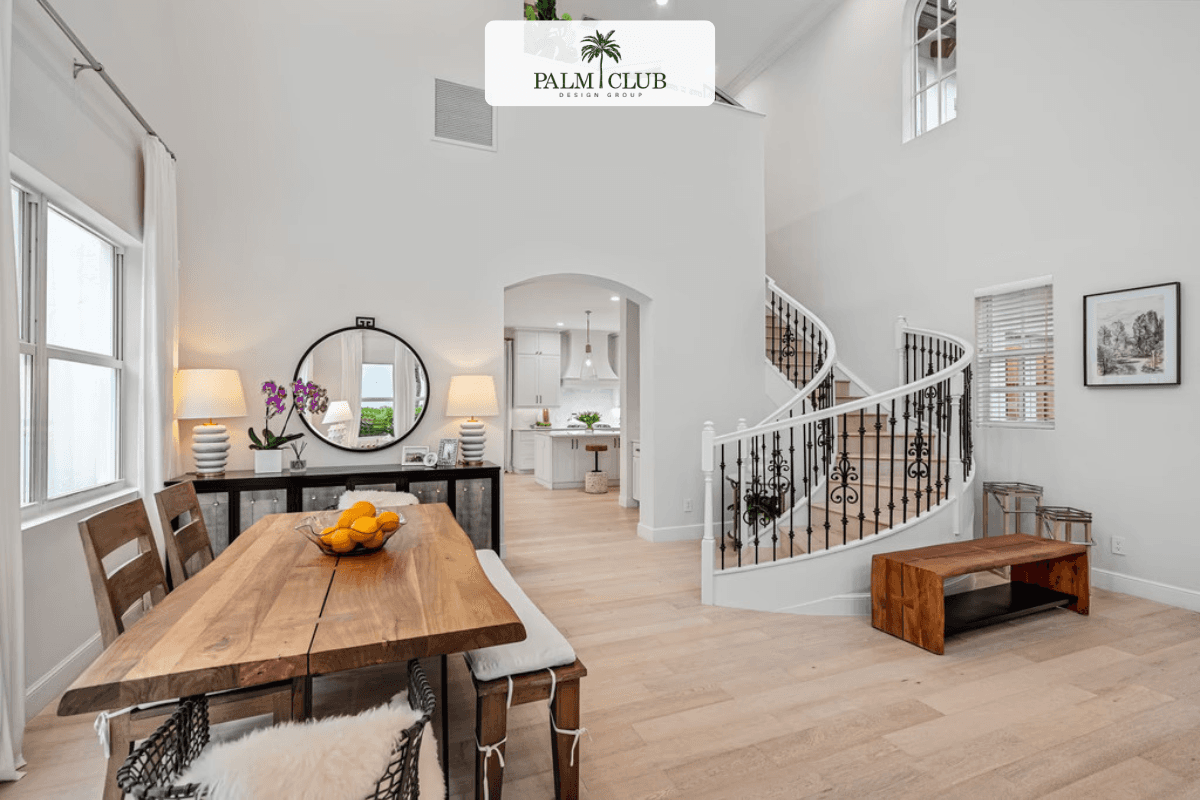
Historic homes ask more of you than newer ones do.
Not just in cost or upkeep, but in decision-making.
Small choices carry weight, and the order you make them in matters more than most people expect. This isn’t a category where you can improvise your way through construction and hope it works out.
We’ll break down how historic home restoration works, what rules shape it, where projects tend to go sideways, and how to plan one with fewer surprises.
Key Notes
Renovations are allowed when character-defining features, materials, and proportions are preserved.
Proper sequencing protects original fabric and prevents costly rework during systems and finishes.
Historic restoration budgets run higher due to specialized labor, approvals, and long-term maintenance needs.
What Makes A House “Historic”?
A house does not become historic simply because it is old.
Common Qualification Factors Include:
Age: Typically 50+ years old, though exceptions exist
Historical significance: Association with events, people, or architectural movements
Physical integrity: Original layout, materials, and form largely intact
Designation: Listed individually or located within a historic district

Understanding how your home qualifies informs what you can and cannot change.
Can You Renovate A Historic Home?
Yes, you can renovate a historic home, but the work must respect character-defining features.
Generally Permitted Updates Include:
Kitchens and bathroom remodels, when layouts and materials are compatible
Electrical, plumbing, and HVAC upgrades
Energy-efficiency improvements done discreetly
Rear or secondary additions that respect scale and massing
Typically Restricted Changes:

Interior work is usually more flexible than exterior alterations, but both require planning.
Rules, Guidelines & Approval Processes
Historic work is governed by preservation standards and local regulations.
Most Approval Frameworks Prioritize:
Repair over replacement
Use of matching or compatible materials
Reversibility of new work
Visual distinction between old and new elements
Expect Approvals When:
Changing exterior features
Adding square footage
Modifying structure or rooflines
Altering historically significant interiors
Approval timelines can range from weeks to months (depending on scope and designation).
First Steps After Buying A Historic Home
Before design begins, assessment comes first.
Immediate Priorities:
Hire an inspector experienced with historic properties
Photograph and document original features
Verify historic status and local restrictions
Research available incentives or tax relief

Skipping this step often leads to redesign and cost overruns.
Assembling The Right Project Team
Historic restoration requires specialized roles at specific moments.
Key Professionals And Timing:
Structural engineer: Early, when cracks, sagging, or load changes exist
Home renovation architect: After inspections, before permits
Preservation consultant: Immediately if designation applies
The Correct Order Of A Historic Home Restoration
Historic restoration follows a strict sequence:

Why The Order Matters
Historic homes need to be understood before they’re changed. Early steps identify what must be preserved and where risk lives.
Design and approvals come first so contractor pricing reflects real scope, not guesses and allowances.
Structural and exterior work happens before systems to stabilize the building and protect what’s original.
Systems are upgraded before finishes to avoid tearing out restored plaster, millwork, or tile later.
Following this sequence keeps historic restoration controlled, compliant, and far less expensive to fix.
Modern Systems in Historic Homes
Most historic houses require full upgrades to electrical, plumbing, and HVAC systems.
Original installations were not designed for modern loads, safety codes, or comfort expectations.
Electrical Upgrades
Older homes commonly contain knob-and-tube wiring, ungrounded outlets, or undersized service panels that cannot safely support modern appliances.
Typical electrical restoration work includes:
Full rewiring with modern copper conductors
Upgrading service panels to 200 amps or more
Adding grounded outlets, GFCI protection in wet areas, and AFCI protection where required
Thoughtful placement of outlets and switches to avoid disrupting historic walls and trim
Electrical routing often requires creativity in historic homes, using attics, basements, or concealed chases to preserve visible surfaces.
Plumbing Upgrades
Historic plumbing systems are frequently compromised by age, corrosion, or outdated materials.
Common plumbing improvements include:
Replacing galvanized or lead piping with PEX or copper
Improving water pressure and drainage performance
Updating venting and waste lines to meet current codes
Installing modern, low-flow fixtures without altering historic layouts
Early plumbing planning is especially important in kitchens and bathrooms, where layout changes can trigger broader scope and approvals.
HVAC Upgrades
Most historic homes were never designed for central air conditioning or modern heating systems.
Effective HVAC strategies often include:
Ductless mini-split systems to minimize visual impact
High-efficiency heat pumps for both heating and cooling
Selective duct routing through attics or secondary spaces
Zoning to improve comfort without overworking the system
The goal is performance and comfort without introducing bulky ductwork that compromises historic ceilings, walls, or proportions.

Working With Historic Home Restoration Contractors
Historic home restoration contractors are not interchangeable with standard builders.
What To Look For:
Proven experience with similar-era homes
Familiarity with preservation standards
Detailed, line-item proposals
Ability to source or replicate period materials
Red Flags:
Vague scopes
Missing exclusions
Overly modern material substitutions
Precision matters in historic work.
Costs & Budgeting for Historic Home Restoration
As a rule of thumb, homeowners should budget 20–50% more than a typical remodel, with full historic restoration projects commonly landing between $250–$500+ per square foot.
Larger or more architecturally intact homes can exceed that range.
Why Do Historic Restorations Cost More?
Historic homes carry layers of cost that modern construction simply does not.
Specialized labor. Preservation carpenters, plaster specialists, masonry experts, and millwork fabricators command higher rates due to limited availability and skill depth.
Period-correct materials. Matching original elements such as Dade County pine, lime-based stucco, historic roof tile, or custom wood windows adds cost and lead time.
Historic approvals and reviews. Projects in Palm Beach often require iterative reviews with Historic Preservation Boards. Each revision adds time, professional fees, and coordination.
Coastal building requirements. Hurricane-rated assemblies, flood-elevation compliance, impact protection, and wind-load upgrades must be integrated without compromising historic character.
Higher long-term maintenance. Even after restoration, historic homes require more ongoing care. Expect annual maintenance costs of roughly 2–4% of home value, compared to about 1% for new construction.
Realistic Budget Ranges in Palm Beach
While every project is different, most full historic house restoration budgets include the following major cost categories:
Planning, design, and historic approvals. This includes architectural work, preservation consulting, documentation, and Historic Preservation Board submissions. These costs are front-loaded and unavoidable.
Structural stabilization and repairs. Foundations, framing, roof structures, and load-bearing elements often require reinforcement before any visible work begins.
Exterior and envelope work. Roofing, stucco, masonry, windows, and doors must meet both historic and hurricane standards, which significantly impacts cost.
Systems upgrades. Electrical, plumbing, and HVAC are almost always full replacements, routed carefully to avoid damaging historic fabric.
Interior restoration and finishes. Plaster repair, millwork replication, flooring restoration, cabinetry, and finishes often represent the largest cost swing depending on level of detail.
For a 2,500 square foot historic home, full restoration budgets in Palm Beach frequently land between $625,000 and $1.25M+, depending on scope, integrity, and finish level.
Budgeting Smarter For Historic Projects
A few strategies consistently reduce risk and overruns:
Phase work strategically, often starting with exterior stabilization
Finalize design and approvals before bidding construction
Work only with preservation-qualified contractors
Lock material decisions early to avoid re-pricing
Pressure-test scopes and exclusions line by line
Historic restoration rewards planning. Rushed decisions are expensive.

Historic Home Restoration Grants and Incentives
Funding options for historic restoration exist, but they are often misunderstood.
Federal Historic Tax Credits
These credits typically apply only to income-producing properties, not primary residences.
If the home is rented or used commercially, eligible rehabilitation costs may qualify for a 20% federal tax credit, provided strict preservation standards are met.
Florida State Incentives
Florida’s Division of Historic Resources offers grants primarily for nonprofits and public-access projects.
Private homeowners may still benefit from:
Ad valorem property tax reductions
Referrals to low-interest preservation loans
Guidance on qualifying rehabilitation work
Eligibility depends on designation, scope, and compliance.
Local and Palm Beach–Area Programs
Local historic programs in Palm Beach County and West Palm Beach focus mainly on districts and public resources.
Direct homeowner grants are rare, but:
Property tax relief may be available
Preservation guidance can reduce costly missteps
Documentation support can improve resale value
Incentives should be viewed as supplemental, not foundational.
A historic restoration budget must stand on its own before any credits are applied.
How Palm Club Approaches Historic Home Restoration
Historic homes demand clarity before construction begins.
Our role is to structure projects so goals survive real-world execution:
Scope is defined early to align design, approvals, and pricing
Preservation requirements are translated into build-ready documentation
Contractor proposals are pressure-tested for gaps, assumptions, and exclusions
Materials and details are coordinated before construction, not during it
We don’t build.
We act as your design lead through construction, helping make sure what’s designed can be executed without compromising historic character.
This means fewer surprises, tighter cost control, and a historic home that retains its soul while functioning for modern life.
Not Sure Where To Start?
Get clear guidance on scope, risks & next steps.
Frequently Asked Questions
Do historic homes have to look outdated after restoration?
No. Historic restoration focuses on preserving character, not freezing style. Thoughtful design can integrate modern comfort and functionality while respecting original architecture.
Will restoring a historic home increase resale value?
Often, yes. Properly restored historic homes tend to command premiums, especially when original features are preserved and documentation is strong. Poor or insensitive work can have the opposite effect.
How long does a historic home restoration usually take?
Longer than a standard renovation. Planning and approvals alone can take several months, and full projects often span 12–24 months depending on scope, integrity, and review requirements.
Can modern materials ever be used in historic restoration?
Sometimes. Modern materials may be allowed if they match the appearance, scale, and performance of originals and don’t compromise the home’s character or reversibility.
Conclusion
Historic home restoration succeeds or fails long before construction starts.
The homes that turn out well are the ones where historic status is clearly understood, renovation limits are respected, approvals are planned into the timeline, and systems upgrades are sequenced before finishes ever go in.
The difference isn’t taste or budget – it’s clarity. When scope, documentation, and contractor pricing are aligned early, historic character is protected and costly reversals are avoided. When they aren’t, even well-intentioned projects drift fast.
If you want a grounded conversation about scope, approvals, risks, and what’s feasible for your home, book a free discovery call to pressure-test ideas and map next steps.


Thinking About a remodel?