Whole Home
A-Z Luxury Guide to Home Remodeling in Palm Beach [2026]
A remodel in Palm Beach can go one of two ways: beautifully structured or endlessly complicated.
The difference usually isn’t budget or style, but how clearly everything is planned before work begins. Between design decisions, permit timelines, and coastal construction realities, the smartest projects are the ones built on preparation.
We’ll break down what that looks like – from setting goals and budgets to selecting materials, managing contractors, and keeping every step on track.
Key Notes
Whole house remodels in Palm Beach typically range from $100 to $450+ per sq ft.
Permitting and approvals can take 4–8 weeks, longer for coastal or historic properties.
Vetted contractors and early material procurement prevent delays and protect budget integrity.
First Principles: How Luxury Renovations Succeed
Luxury in Palm Beach isn’t just expensive finishes.
It’s about every decision serving a clear purpose: better flow, more natural light, resilience against humidity and salt air, and craftsmanship that feels as solid as it looks.
Design-Led vs. GC-First
Many remodels stall because they start backward – hiring a builder first, then trying to retrofit design and budget clarity later.
The smarter path begins with definition: establish goals, scope, and budget before anyone prices a thing.
That foundation allows for fair bids, realistic scheduling, and fewer surprises mid-build.
Clarity Before Creativity
Scope, budget, and timeline should always come before selecting materials or finishes.
Once those guardrails are in place, creative decisions become simpler, schedules stay realistic, and change orders remain the exception, not the rule.
It’s the quiet discipline behind every remodel that finishes well.
Planning Phase: Vision, Scope, Budget
Start With Goals
Do you need more storage, more light, better circulation? Which spaces truly change daily life? List must‑haves, nice‑to‑haves, and a wish list.
Prioritize function; aesthetics follow.
Translate Goals Into Scope
Break it down by room (kitchen, primary bath, kids’ baths, living, exterior transitions). Note structural moves, MEP implications, and any HOA or historic visibility.
Set A Luxury Budget That Fits Palm Beach
Currently, here’s what luxury remodeling in Palm Beach typically looks like:
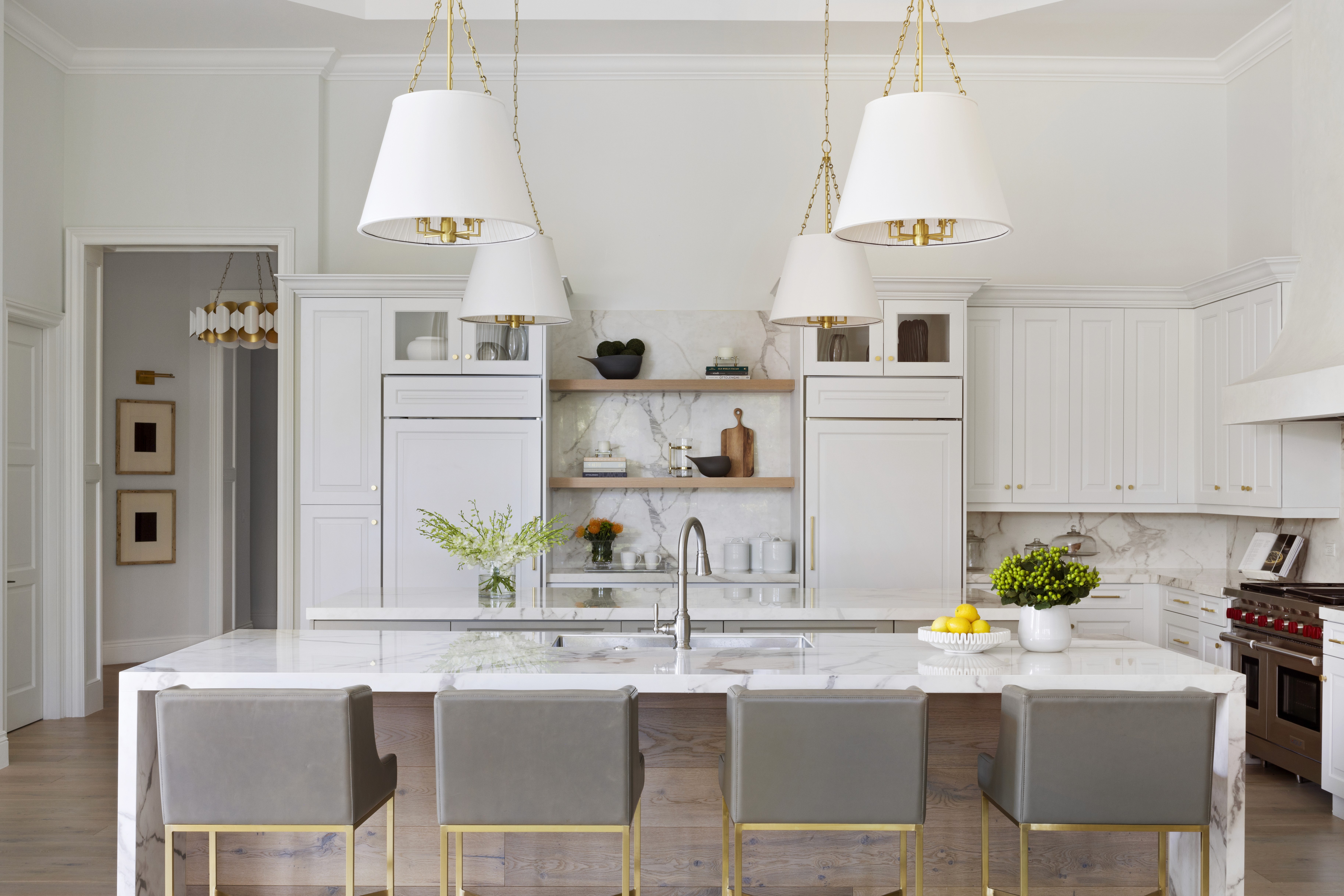
Whole home remodels: Typically $100 to $450+ per sq ft. Extensive structural or coastal scopes can reach $110 to $500+ per sq ft.
Kitchens: Mid-range $40,000 to $90,000+; high-end $110,000 to $220,000+.
Primary baths: Mid-range $40,000 to $65,000; high-end $65,000 to $150,000+.
Soft costs: Plan for 10–20% of total project value including permits, design, and engineering.
Permits: Full-home renovations often see $5,000 to $15,000+ in municipal fees.
Grade your risk by scope intensity, property age, and exposure to local conditions.
A well-planned budget that acknowledges these variables protects your project from delays, overruns, and stressful mid-stream compromises.
Timeline Realism
Most projects spend 3 to 6 months in design, scope development, and contractor selection. Permitting in Palm Beach typically adds 4 to 8 weeks – longer for coastal, HOA, or historic homes.
Where Does Palm Club Step In?
Discovery and Budget Planning deliver a written scope outline, budget buckets, and an aesthetic brief. We’ll tell you upfront if your target spend and wish list don’t match – then right‑size the scope so it does.

Team Assembly & Procurement Strategy
Who You Need & When
A successful Palm Beach remodel is rarely handled by one person or even one firm.
You’ll typically need an interior designer, a licensed general contractor (GC), and in many cases an architect. Structural and MEP engineers become essential when structural loads or system layouts change.
For larger estates or complex scopes, landscape architects, expeditors, and permitting consultants often join the team.
When To Bring In An Architect?
You’ll need one whenever the remodel alters structure, footprint, rooflines, or circulation. Architects are also essential for historic, coastal, or HOA‑regulated properties and when drawings are required for permits.
Even if not mandatory, architects can elevate luxury projects with design logic, spatial flow, and creative problem‑solving.
Vetting Your GC Matters Most
Luxury outcomes depend heavily on the quality and ethics of your general contractor. Use this checklist:
Verify Credentials. Confirm license and insurance through Florida’s Department of Business & Professional Regulation and request proof of liability and worker’s comp coverage.
Check Experience. Look for Palm Beach coastal remodel experience and luxury‑scale references; review portfolios similar in style and scope.
Talk To Past Clients. Ask about communication, quality, timelines, and how problems were handled.
Observe Communication. Gauge responsiveness and clarity early – it’s predictive.
Compare Detailed Estimates. Each bid should itemize labor, materials, allowances, contingencies, and schedule.
Visit Active Sites. Cleanliness, organization, and safety reflect management quality.
Understand Subcontractor Networks. Confirm trades are licensed, insured, and accustomed to high‑end finish work.
Review Contracts Carefully. Ensure payment schedules, change‑order rules, warranties, and dispute resolution are clear.
Trust Your Instincts. A remodel lasts months – partnership chemistry matters.
This checklist takes time, and one missed detail can derail months of work.
With Palm Club, that legwork can disappear. For clients who choose our contractor-vetting path, we work with a network of vetted GCs whose performance and integrity we’ve confirmed through past projects. We structure or review proposals line-by-line, flag vague wording, and clarify inclusions so scope, budget, and expectations are defined before work begins.
Procurement Strategy
Once the design and scope are clear, place long‑lead orders early – cabinetry, stone, plumbing, lighting, and custom pieces. Require receiving and inspection under one roof, with photo documentation, to protect warranties and prevent install-day chaos.
When procurement is managed centrally, this step alone can eliminate weeks of delays and costly reorders.
Permits, Approvals & HOA: Palm Beach Realities
What Triggers Permits?
Almost everything beyond cosmetic updates. Kitchen/bath reworks, layout changes, windows/doors, exterior modifications, structural updates – all require submittals and inspections.
Lead Times
Standard permits average days to weeks. Historic districts, coastal and floodplain overlays, or variance requests can stretch further (4–8 weeks).
Use this window wisely: finalize drawings, lock selections, order long‑lead items.
Condo/HOA Layers
Boards may have their own reviews, work hours, elevator bookings, and vendor credentials. Build them into schedule logic from day one.
Architectural Design & Build‑Ready Documentation
This is where ideas turn into drawings that the field can build from. The goal is precision, coordination, and clarity. Every line on paper has to translate cleanly on site.
Design Drawings That Reduce the Chance of Change Orders
Scaled floor plans, elevations, cabinetry layouts, lighting and ceiling plans – all drawn with enough detail for contractors to price and build without guesswork.
Well-coordinated documentation eliminates the vague “interpretation” that often leads to change orders later.
Design Grounded In Structure & Systems
Good design doesn’t fight reality; it works with it. That means accounting for load paths, duct runs, plumbing routes, and impact-rated openings early in the process.
Drawings should balance design intent with the mechanical, electrical, and structural systems that make it possible.
Cabinetry Engineered For Real Life
Luxury kitchens, baths, and built-ins demand precision. Appliance clearances, ventilation, service access, and ergonomic inserts are all resolved before fabrication.
The mantra here is simple: measure twice, draw once.
How This Stage De-Risks Your Project
A complete, coordinated drawing set becomes the roadmap for contractors, suppliers, and inspectors alike. It prevents scope drift, supports accurate pricing, and ensures what gets built matches what was approved.

Materials & Selections: Coastal Luxury That Lasts
What Performs In Palm Beach?
Exterior:
Tropical hardwoods (teak, mahogany), fiber‑cement siding/trim, marine‑grade metals (stainless, bronze, aluminum with proper coatings), shellstone/travertine/coral for pavers and surrounds.
Interior:
Engineered hardwood, high‑end LVP in wet‑adjacent zones, lime plaster for breathability, mold‑resistant coatings, premium textiles that tolerate humidity.
What To Avoid?
Non‑marine hardware and fixtures, exposed or low‑grade metal roofing with vulnerable fasteners, unsealed soft woods, basic vinyl siding, concrete roof tiles without proper sealing, bargain paints and sealants not formulated for coastal use.
Interior-Exterior Flow
In Palm Beach, the line between indoors and outdoors should almost disappear. Well-planned openings (sliding or folding glass doors, wide thresholds, aligned ceiling lines) make light, air, and views part of everyday life.
Using consistent flooring, coordinated finishes, and connected sightlines between interior spaces and patios or pools creates cohesion and extends functional square footage.
When done right, the home feels larger, calmer, and perfectly suited to its coastal setting.
Future-Proofing
Plan for longevity as much as style.
Choose timeless materials and classic detailing that won’t date quickly, and build in the infrastructure your future self will thank you for – extra circuits, low-voltage wiring, and pre-wiring for shades, lighting controls, or smart systems.
The goal is a home that stays elegant, functional, and adaptable long after the dust settles.

Construction Kickoff: The First 30 Days
The first month sets the tone for the entire build. Here’s what to expect:
Days 1–7: Mobilization
The site is secured, utilities are set up, and protective measures go in for landscaping, neighbors, and existing finishes. Surveyors confirm boundaries, access routes, and working hours with HOAs or boards.
Days 8–14: Demolition & Preparation
Existing structures are removed or stripped, debris is cleared, and coastal sites begin dewatering and erosion control.
This phase makes room for what’s next – literally and logistically.
Days 15–30: Foundations & Underground Work
Footings are poured, forms are set, and reinforcement is installed. Plumbing, electrical, and drainage are roughed in below grade, with required inspections closing each stage before the next begins.
Communication Rhythm
This is when routines take shape – scheduled updates, site photos, and quick escalation channels so questions get answered before they become problems.
The goal: steady progress, no surprises.
Execution & Design Review
Once construction is underway, precision and communication keep everything on track.
Schedule Discipline
The project calendar is built around the critical path – with firm hold points for inspections, long-lead deliveries, and trade sequencing.
Managing Changes
Design revisions after sign-off are expensive, but sometimes necessary. Each one should be handled through a clear change order with defined cost and time impact, never casual on-site decisions.
Field Details
Tile edges, fixture heights, lighting alignment – these small details are where craftsmanship shows. Questions get answered fast to prevent ripple effects.
Preventing Delays
A well-planned remodel prepares for the usual pitfalls before they happen:
Drawings and selections are finalized before breaking ground.
Permit packages go in complete and are tracked consistently.
Long-lead materials are ordered early with built-in buffer time.
Trade schedules are coordinated under one master plan.
Unforeseen conditions are handled quickly with specialist input.
A well-run remodel doesn’t avoid surprises. It’s simply ready for them.
Want A Remodel That Runs Smoothly From The Start?
Remodel the right way: clearly designed, realistically budgeted, and build-ready.
Frequently Asked Questions
How long does a luxury remodel usually take in Palm Beach?
Timelines vary by scope, but most full-home remodels take 8–14 months, including design, permitting, and construction. Complex or historic projects can stretch beyond a year due to local approvals and custom fabrication.
Can I stay in my home during the remodel?
Generally not, but it depends on scope. Smaller, phased remodels allow for partial occupancy, while full structural or kitchen overhauls are smoother when you relocate temporarily.
What permits are required for remodeling in Palm Beach?
Nearly all extensive remodels need permits – especially for structural, electrical, or plumbing work. Coastal and historic districts require additional reviews, which can extend approval times.
How do I keep my remodel within budget?
Finalize design and selections before construction begins, track all approved changes, and use a GC that offers fixed price proposals vs cost plus. Clarity and documentation are your best protection against overruns.
Conclusion
A well-run remodel in Palm Beach comes down to structure and sequencing. Clear goals, a defined scope, a realistic budget, and complete drawings form the backbone of every successful project.
Permitting, coastal conditions, and material logistics add layers of complexity that can’t be left to chance – they have to be planned for from day one. That’s why the most seamless remodels start with expert guidance before anyone swings a hammer.
If you’re planning home remodeling in Palm Beach, book a free discovery call. We’ll walk through your goals, review your scope and budget, and outline how to get from vision to build-ready design with clarity and control.
Pricing Disclaimer
The pricing figures referenced in this article are derived from an 18-month trailing analysis of projects completed by reputable contractors using quality materials and industry-standard construction practices. These figures are intended for general informational purposes only. Market conditions, material costs, labor rates, and contractor availability can change rapidly, and Palm Club Design Group makes no representation or guarantee that the prices cited reflect current costs or will apply to any future project. Readers should obtain up-to-date quotations from qualified professionals before making any budgeting or planning decisions.


Thinking About a remodel?