Kitchen
Kitchen Remodel Step By Step (2026 Guide)
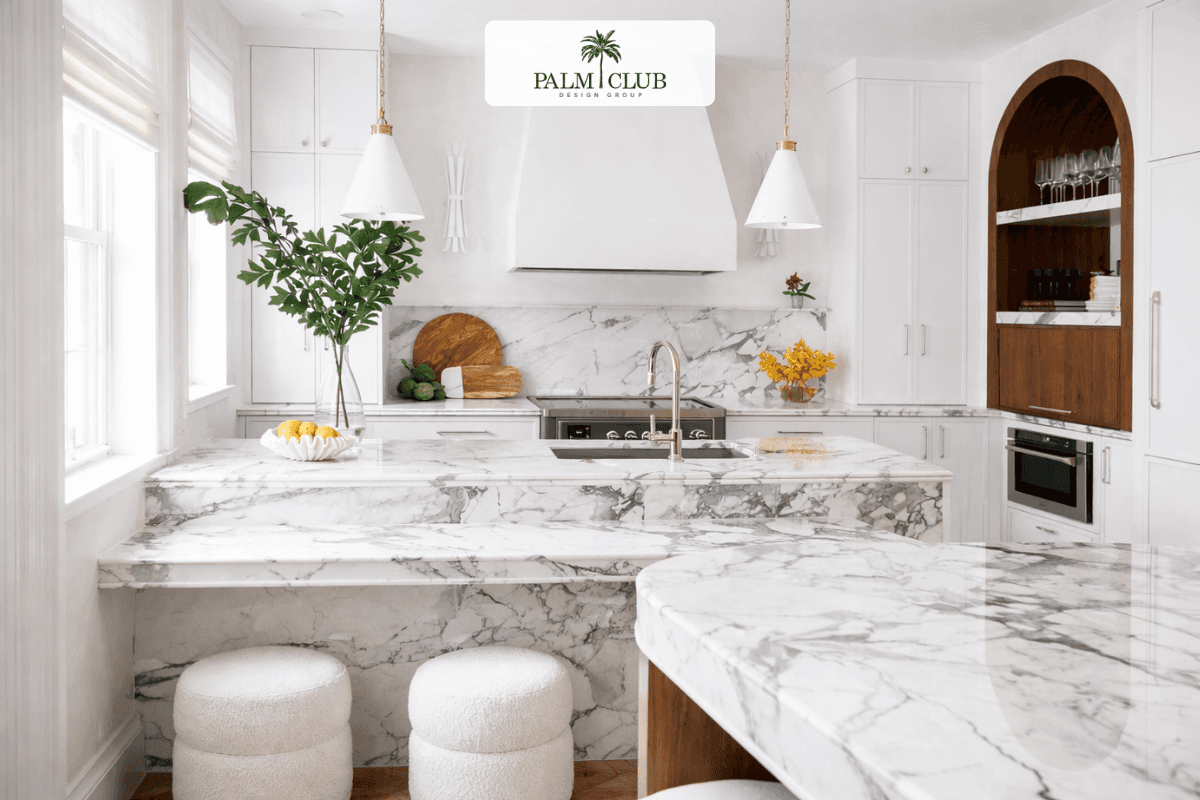
A kitchen remodel is a series of connected decisions, each one shaping what comes next.
Layout influences cabinetry. Cabinetry defines appliance fit. Appliances determine clearances, power, and ventilation.
When those choices are made in the right order, the project stays steady and predictable.
We’ll walk through a kitchen remodel step by step – outlining how planning, design, ordering, and construction fit together, and what to expect at each phase from first conversations to final inspection.
Key Notes
Kitchen remodel sequencing follows a fixed order driven by code, inspections, and material lead times.
Cabinets, appliances, and countertops must be selected and installed in a specific sequence to avoid rework.
Rough-ins, inspections, and wall prep must be completed before cabinets can be installed correctly.
1. Pre-Remodel Planning Phase
Before drawings, before cabinets, before demolition, the most important work happens on paper and in conversation.
Defining Scope & Priorities
Start by clarifying what problem the kitchen is solving.
Is it storage? Flow? Seating? Appliance performance? Light? Resale value?
Most kitchens fail because everything is treated as equally important, which makes tradeoffs impossible later.
Layout changes, wall removals, and island additions affect cost and permitting far more than finishes do. Getting honest about whether the project is cosmetic or structural sets the tone for every decision that follows.
Early Timeline Expectations

The key is understanding that construction time is only one part of the kitchen renovation timeline. Planning, design, approvals, and ordering often take just as long as the build itself.
2. Site Measurement & Existing Conditions
Good kitchens are built on accurate information.
Bad ones are built on assumptions.
Field Measurements

Professionals will usually re-measure later, but early accuracy helps identify limitations before design momentum builds around ideas that cannot work.
Existing Systems
Understanding what is already in the walls prevents expensive surprises.
Electrical panels may lack capacity. Plumbing may not support island sinks. Venting routes may be limited.
These constraints influence layout far more than finishes do.
3. Structural & Code Review
Any time walls are moved or removed, structure becomes a design input.
Load-bearing walls require engineering review. In Palm Beach and similar markets, open kitchens often need beams sized for wind-load requirements, not just gravity loads. That affects ceiling heights, transitions, and sometimes the entire layout.
Local and Florida Building Code requirements also shape kitchen design. GFCI and AFCI protection, ventilation clearances, outlet spacing, and impact-rated elements all need to be accounted for before plans are finalized.

4. Design Development & Layout Lock-In
This is where the project either stabilizes or starts drifting.
The layout defines everything:
cabinet sizes
appliance placement
circulation, lighting
rough-in locations.
Once the layout is approved, changes become expensive.
This is also where visual direction is aligned. Cabinet style, finish direction, and material tone should be set at a high level. Perfection is not required yet. Clarity is.
5. Kitchen Decision Order
One of the most overlooked parts of a kitchen remodel is decision sequencing.
The recommended order is simple:
Design and layout first
Appliances next (appliances drive cabinet dimensions, panel configurations, ventilation requirements, and electrical planning – so they must be selected before cabinetry is finalized)
Cabinetry design after appliance selections are finalized
Countertops after cabinets are installed
Then lighting, flooring, backsplash, and hardware
6, Appliance Selection Timing
When to choose appliances during a remodel matters more than most homeowners realize.
Appliances should be selected during planning or schematic design, before cabinetry design begins and often 4–6 months before demolition. Panel-ready refrigeration, specialty ranges, and ventilation systems require early coordination.
Waiting too long can halt cabinet fabrication or force costly layout changes.
7. Cabinetry Design & Ordering
Cabinets are the backbone of the kitchen.
Before cabinetry design is finalized, three things must already be locked in:
the layout
exact appliance specifications and configuration
and budget alignment.
Changing any one of these after cabinets are ordered usually means starting over.
Custom cabinetry and semi-custom cabinetry typically carry lead times of eight to twelve weeks. That timeline should drive the entire kitchen renovation schedule.

8. Permitting and Pre-Construction Approvals
Most kitchen remodels require permits – especially when plumbing, electrical, or structure is involved.
Plans are submitted for review, revisions may be required, and permits must be issued and posted before demolition begins. Review timelines vary, but two to six weeks is common.
Skipping or rushing this step is one of the fastest ways to stall a project mid-construction.
9. Pre-Demo Preparation & Ordering
Long-lead materials should be ordered well before demolition. Cabinets, appliances, and specialty finishes should be confirmed, scheduled, and stored securely.
Site protection plans are also critical. Adjacent rooms need dust control. Temporary kitchen setups should be planned if the home remains occupied.
10. Demolition Phase
Demolition clears the space and reveals reality.
Old cabinets, countertops, appliances, and finishes are removed. This phase often uncovers outdated wiring, plumbing issues, or structural conditions that were not visible before.
Demo typically takes one to three days, but the discoveries made here can affect everything that follows.
11. Structural, Framing, and Rough-Ins
This is the least glamorous and most important part of the remodel.
Structural changes are completed first. Framing follows. Plumbing, electrical, and HVAC rough-ins are installed based on the approved layout.
Running these systems through open walls allows inspectors to verify safety before finishes conceal the work.
12. Rough-In Inspections
Inspections are not optional checkpoints. They are gates.
Inspectors verify wiring, venting, plumbing, and structural work against code.
Failed inspections delay everything downstream.
Passed inspections allow the project to move forward with confidence.

13. Wall Closure & Surface Prep
Once rough-ins pass inspection, walls are closed.
Drywall is hung, taped, sanded, and primed. This phase creates the clean envelope that cabinets and finishes rely on.
14. Flooring Installation
In most kitchens, flooring is installed before cabinets.
This creates a level reference point and avoids damage from heavy cabinet installation. Floating floors are a notable exception and may be installed later.
15. Cabinet Installation
Cabinet installation anchors the design into the room.
Base cabinets are leveled from the highest floor point. Wall cabinets are secured to framing. Scribing ensures tight fits against uneven walls.
16. Countertop Selection & Installation
When to choose countertops during a remodel is often misunderstood.
Countertops are selected earlier, but templated only after cabinets are installed. This allows precise fitting. Fabrication typically begins one to two weeks after templating.
17. Backsplash, Appliances & Fixtures
After countertops are installed, the remaining layers come together:
Backsplash is installed.
Appliances are set and connected.
Lighting fixtures and under-cabinet lighting are installed.
This phase answers the question of what happens after cabinets are installed: everything that makes the kitchen function day to day.
18. Trim, Hardware & Finish Work
Toe kicks, molding, hardware, and final paint complete the space. These details may seem small, but they define how finished the kitchen feels.
19. Final Inspection & Close-Out
The final inspection confirms all work meets code. A punch list addresses remaining items. Documentation and warranties are collected.
Only then is the kitchen truly complete.

Living In The Home During A Remodel
Staying in the home is possible for smaller projects with dust control and a temporary kitchen.
Full gut remodels are far more challenging, especially for families or those sensitive to noise and dust.
How Palm Club Structures Kitchen Remodels For Buildability
Most kitchen remodel problems come from disconnects between design and construction.
Our approach is design-led but construction-aware. Layouts, cabinetry, appliances, and materials are aligned with real budgets and real build conditions before anything is ordered. Contractor pricing is reviewed against the actual design, not abstract concepts.
This reduces the chance of the redesign cycle many homeowners experience when beautiful plans exceed what can be built for the budget. The result is a kitchen that moves from plan to installation with fewer surprises and far less friction.
Want Fewer Surprises During Your Remodel?
We help align design, budget & build.
Frequently Asked Questions
How long can a kitchen sit without cabinets during a remodel?
Once flooring and wall prep are complete, kitchens typically wait only a few days to a couple of weeks for cabinet installation. Longer gaps usually point to ordering delays or last-minute design changes, not construction issues.
Do I need to finalize my backsplash before construction starts?
No. Backsplashes are selected later in the process, after countertops are installed. What needs to be finalized early is the wall layout and electrical placement so outlets and switches land correctly.
Can I change my mind after cabinets are ordered?
Minor finish changes may be possible, but layout, sizing, and appliance cutouts generally cannot. Once cabinets enter fabrication, changes often mean delays, added costs, or full reorders.
Is it better to remodel a kitchen in summer or winter?
Neither season guarantees speed. Permits, inspections, and material lead times matter more than the calendar. The best timing is when design, approvals, and long-lead items are fully locked before demolition.
Conclusion
A kitchen remodel step by step only works when the order is respected.
Planning comes before design. Design comes before ordering. Rough work comes before finishes. Appliances, cabinets, and countertops each lock the next decision in place, and once those pieces move out of sequence, timelines stretch and budgets feel the pressure.
The kitchens that turn out best are the ones built on accurate measurements, early appliance decisions, realistic lead times, and clear documentation that trades can follow without guesswork.
When those fundamentals are handled upfront, construction moves with far less friction and far fewer surprises.
If you want help structuring your kitchen remodel so the design, budget, and build all line up before anything is ordered, a free discovery call is a good place to start. It gives you a chance to talk through your goals, constraints, and timing with someone who understands how kitchens get built.


Thinking About a remodel?