Budget & Pricing
Loft Conversion Cost in Palm Beach, Florida (From $45,000)
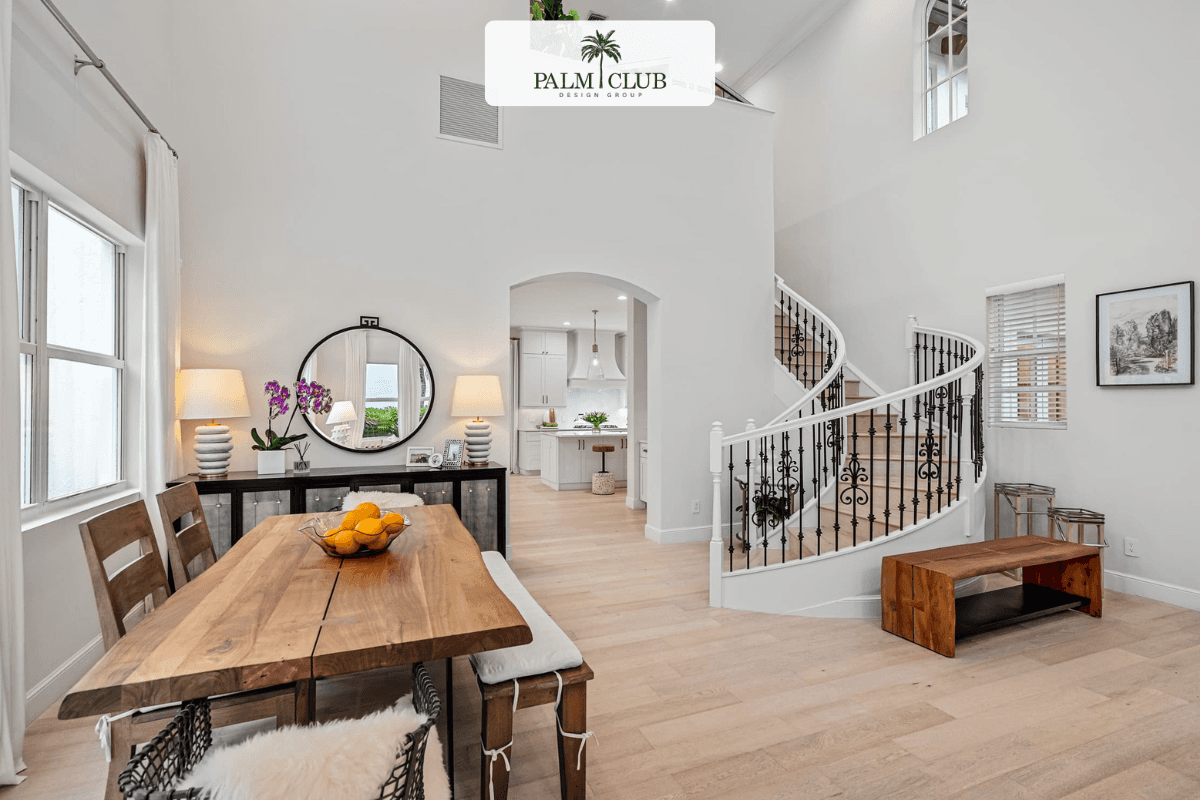
Loft conversions in Palm Beach tend to surface when homeowners start looking closely at the space they already have.
Attics, upper volumes, and tall ceilings can hold real potential, but the costs aren’t always obvious at first glance. Structure, access, climate control, and finish level all play a role in how the numbers shape up.
We’ll walk through loft conversion cost in Palm Beach, how pricing is built, and where decisions carry the most weight.
Key Notes
Palm Beach loft conversions typically range $150–$350+ per square foot, driven by scope and complexity.
Structural reinforcement, roof modifications, and stair design account for a large share of total costs.
Finish choices, bathrooms, and natural light features create the widest swings in final project budgets.
Loft Conversion Cost in Palm Beach
A realistic loft conversion cost range in Palm Beach is typically $150 to $350+ per square foot.
For a “standard” 300 sq ft conversion, that often translates to roughly:
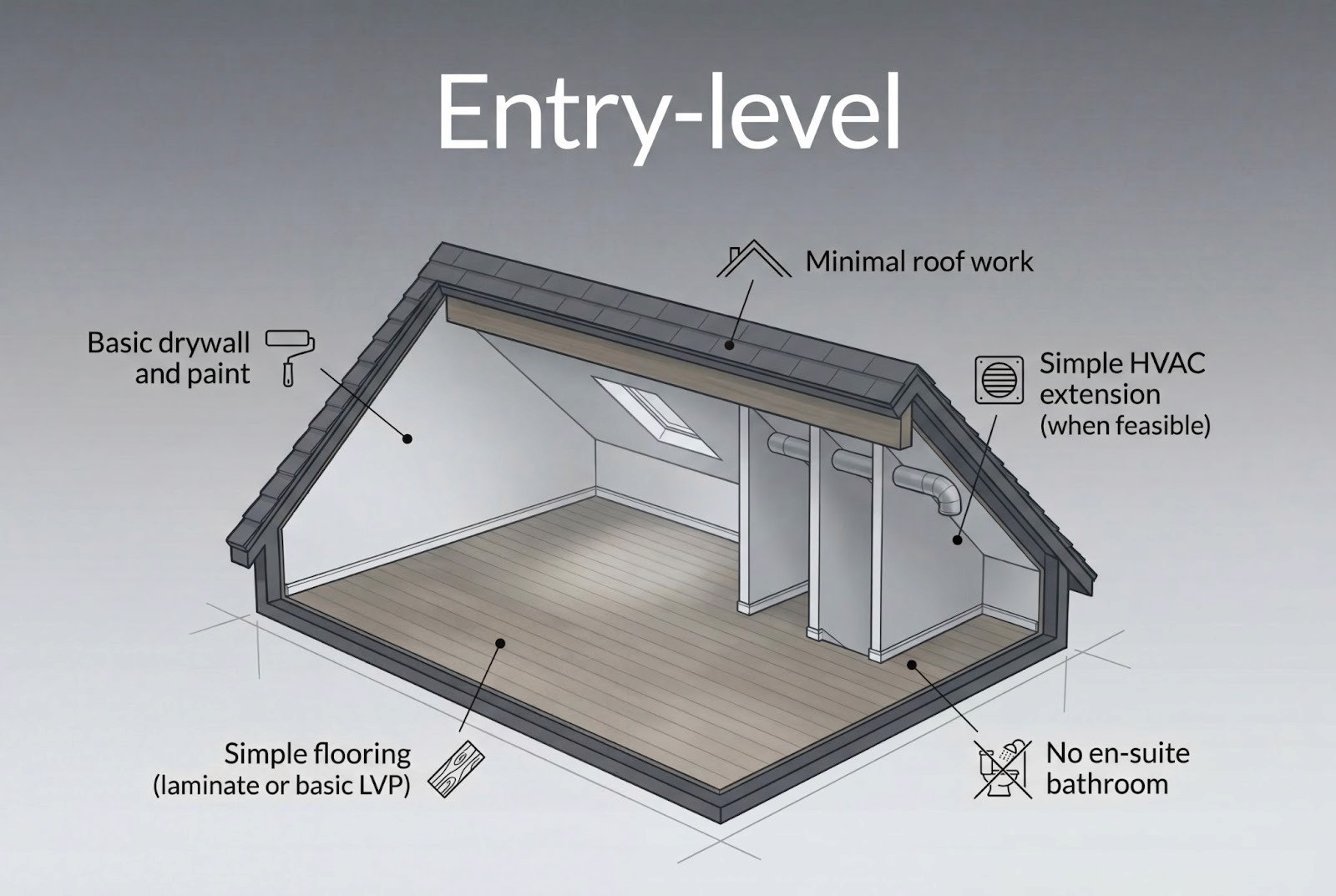
$45,000–$75,000 for entry-level conversions
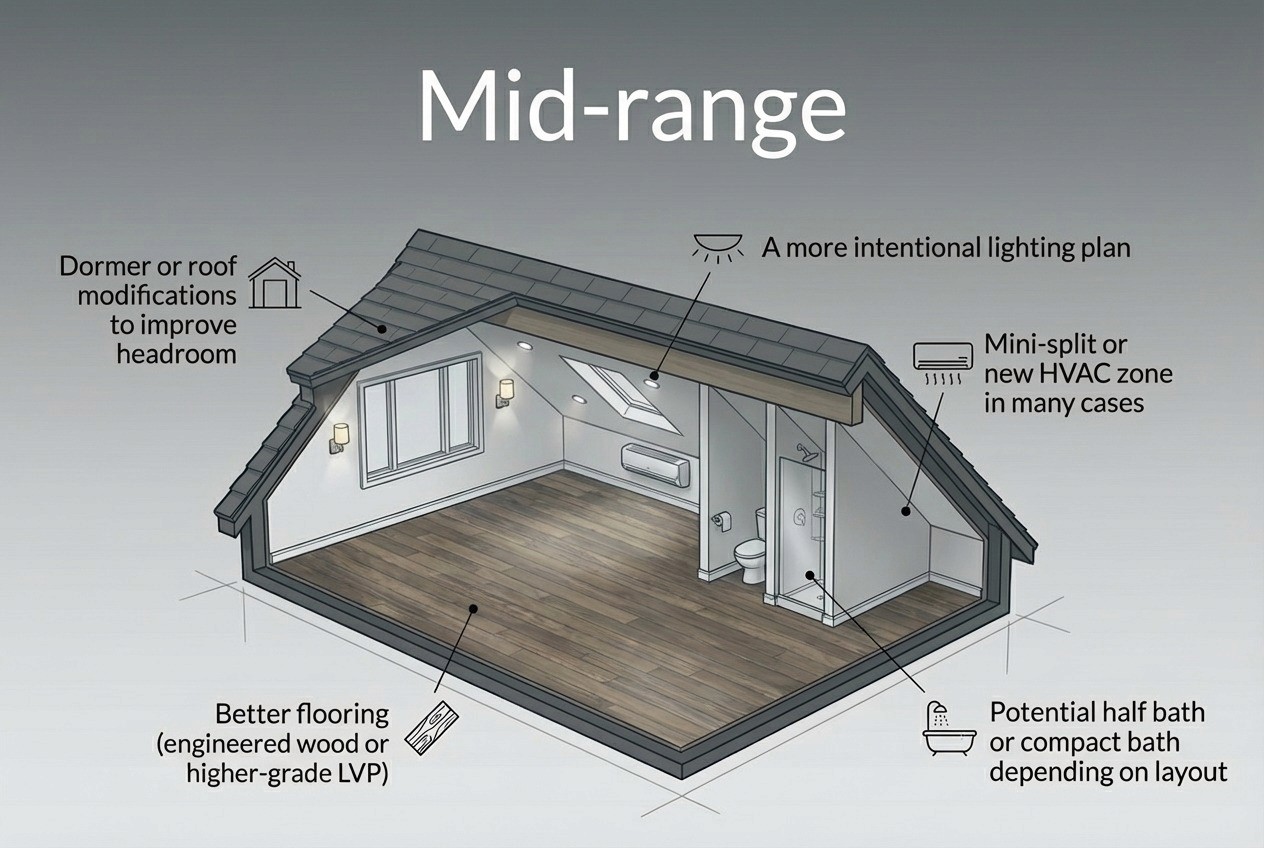
$75,000–$140,000 for mid-range conversions
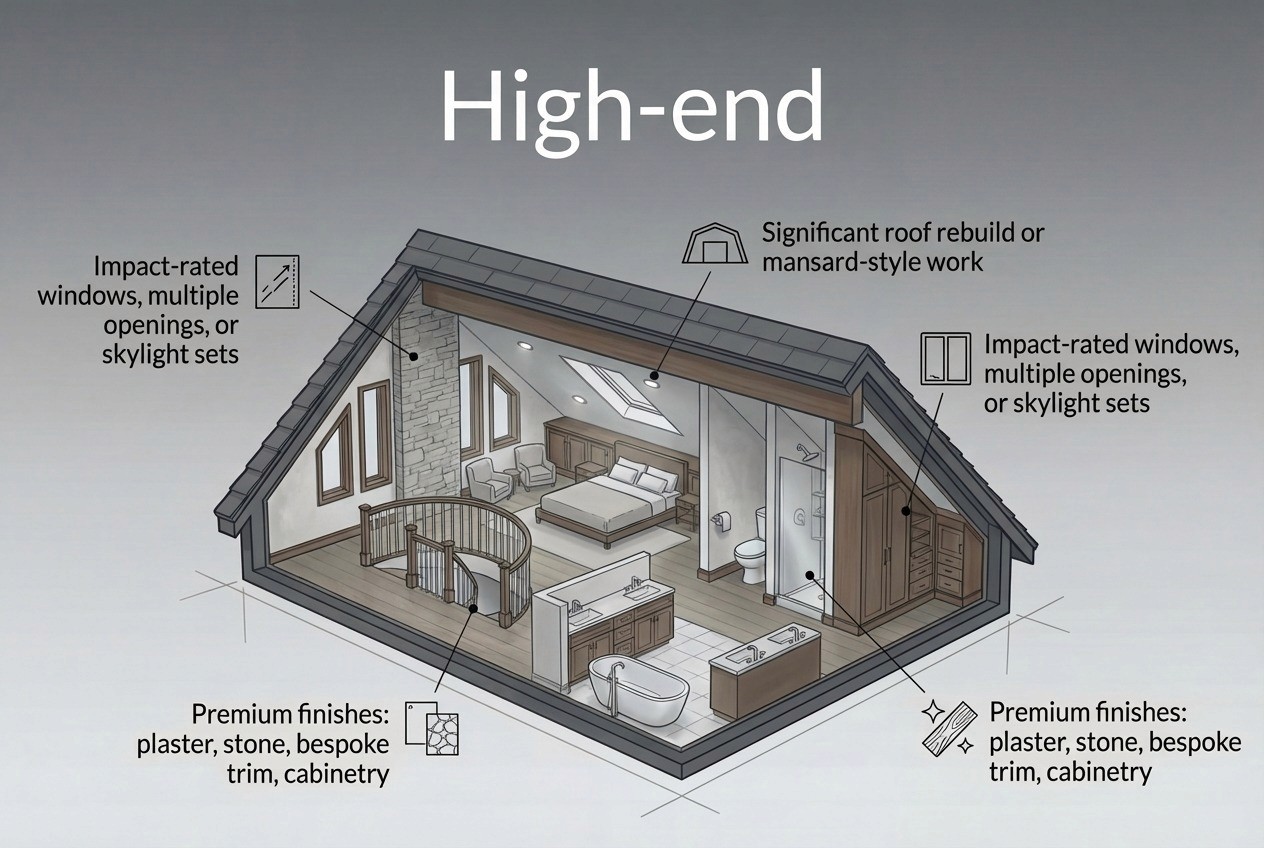
$140,000–$300,000+ for high-end and complex projects
Palm Beach pricing can run 20–30% above national averages once you factor in labor rates, coastal requirements, and the level of finish many homeowners expect.
What Those Ranges Usually Include
Entry-level ($150–$250/sq ft):
Mid-range ($250–$350/sq ft):
High-end ($350+/sq ft):
Structural Costs: The Non-Negotiables
Structural work is where most loft conversions are won or lost. This is also where budgeting off a national average gets people into trouble.
For a 300 sq ft loft conversion in Palm Beach, structural elements often land around $10,000 to $25,000+.
Engineering & Plans
Expect:
Structural engineer: Roughly $500–$3,000 for load assessment and beam design
Architect plans: Often $2,000–$5,000 for permit-ready drawings
Older homes typically need a clear path for load transfer and reinforcement details, especially if you are adding dormers or changing roof framing.
Floor Reinforcement
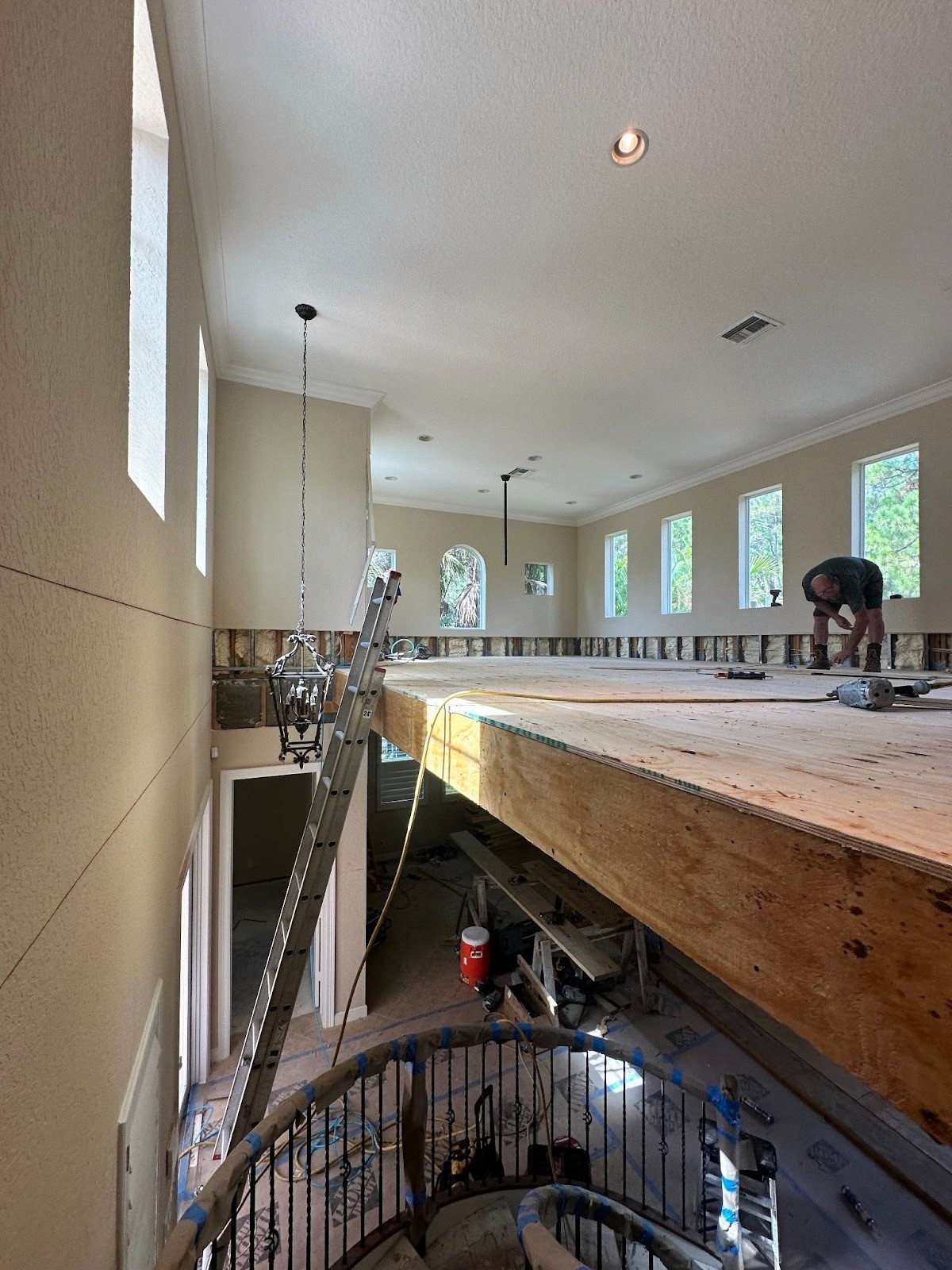
In loft conversions, floor joist upgrades are common (often the norm). Many older attics were framed for storage, not daily occupancy.
Typical reinforcement methods and ranges:
Sistering joists: Roughly $5–$15 per linear foot
Steel I-beams: Often $2,000–$6,000 installed
Plywood overlay/subfloor upgrade: Around $2–$4 per sq ft
As a budget line, floor reinforcement often sits around $1,500–$5,000 depending on spans and access.
Roof Modifications
Roof work ranges widely because it is tied to the type of conversion.
Basic alterations can start around $5,000–$10,000+
Dormer framing often runs $25–$64 per linear foot plus roofing and finish work
Truss modifications can be $3,000–$8,000 depending on complexity
Mansard-style rebuilds can push $15,000+ just for the roofline scope
If you are in a historic district, roofline changes often trigger another layer of review. That is not a reason not to do it. It just needs to be part of the plan, early.
Framing & Supports
Wall framing, dwarf walls, and supports can add:
$4,000–$8,000 for framing and detailing
RSJs/lintels – roughly $1,500–$4,000 installed
Temporary supports and props: $500–$1,000

Mechanical Systems & Climate Control
A loft space that looks good but feels hot, damp, or musty is a bad conversion. In Palm Beach, mechanical planning is not an afterthought.
For a 300 sq ft loft conversion, mechanical costs often land around $8,000 to $25,000+ depending on HVAC strategy and whether plumbing is involved.
HVAC Requirements
A new HVAC zone is common because attics are typically unconditioned and you cannot “borrow” comfort from the floor below without consequences.
Typical ranges:
Ductwork extensions: Around $40–$65 per linear foot (often $2,000–$6,000 total)
Zoning via dampers/thermostats: Roughly $2,000–$6,000
Mini-split systems: Roughly $3,000–$14,500 depending on single or multi-zone
Mini-splits are often a practical solution when duct access is limited or when you want precise control. In higher-end lofts, it is also common to build concealed ducted mini-splits for a cleaner ceiling line.
Insulation & Moisture Control
You are typically looking at:
$1.50–$3.50 per sq ft for insulation materials and labor
Spray foam often runs $2–$4 per sq ft but performs well in complex roof cavities
The goal is not just R-value. It is consistent comfort and moisture management.
Ventilation
Exhaust fans and venting (especially if adding a bathroom) commonly add $300–$800+, and can climb when duct routing is complex.
Electrical and Plumbing Costs
Electrical and plumbing usually total $4,000 to $15,000+ for a 300 sq ft loft conversion, depending on fixture count and whether a bathroom is involved.
Electrical Scope
Common line items:
Outlets: $150–$350 each
Light fixtures: $70–$300 each (fixtures themselves vary widely)
Switches: $100–$300 each
Subpanel: $400–$1,500
Ceiling fan: $250–$700
A “simple” loft still needs a thoughtful electrical plan, especially if you are adding an office zone, layered lighting, or dedicated circuits.
Plumbing Scope (if adding a bathroom)
Rough-in plumbing: $1,600–$2,900
Vent rerouting: $900–$3,000
Fixture lines: $450–$1,800 per fixture
Bathrooms are one of the fastest ways to improve function and value, but they add complexity. The right call depends on how you will actually use the loft.
Staircases: Cost, Design & Space Planning
Stairs are essential in almost every true loft conversion, and they are a major budget driver.
In Palm Beach, stair packages often land $10,000–$25,000, especially once you include the structural opening, code-compliant railings, and finish integration.
Typical Options:
Basic straight-flight: $3,500–$9,000
Space-saving or L-shaped: $7,000–$14,000
Custom architectural stairs: $12,000–$25,000+
Then Add:
Structural opening and beam work: $1,500–$4,000
Railings/balusters: $1,000–$3,000
Permits/inspections: $300–$800
The stair decision is not just aesthetic. It affects layout downstairs, headroom upstairs, and how “natural” the conversion feels.

Windows, Skylights & Natural Light
Natural light changes how a loft lives. It also affects roof work, waterproofing, and permitting.
Typical costs:
Skylights: Roughly $1,300–$5,000 installed for fixed units
Venting skylights: Roughly $3,200–$7,300
Impact-rated dormer windows: Roughly $1,800–$5,500 each installed
Most projects include 1–3 units depending on layout and roofline. Roof flashing and sealing can add another $500–$2,000 per opening.
Interior Finishes: Where Budgets Flex Most
Flooring
For a 300 sq ft loft, installed flooring can land anywhere from about $2,400 to $13,500+, depending on material.
Engineered hardwood: Roughly $12–$30 per sq ft installed
Porcelain / slab tile: Roughly $15–$40 per sq ft installed
High-end LVP: Roughly $8–$20 per sq ft installed
Premium carpet: Roughly $9–$22 per sq ft installed
Engineered hardwood is popular in historic lofts because it gives the warmth of wood with better stability in humidity.
Ceiling Treatments
Ceiling work is one of the biggest visual upgrades in a loft because so much of the architecture is overhead.
Tongue-and-groove: Roughly $8–$45+ per sq ft installed depending on material and detail
Venetian plaster: Roughly $12–$25 per sq ft
Coffered or tray ceilings: Roughly $20–$40 per sq ft
Exposed beams: Can run higher once you include detailing and fire treatments
Wall Finishes
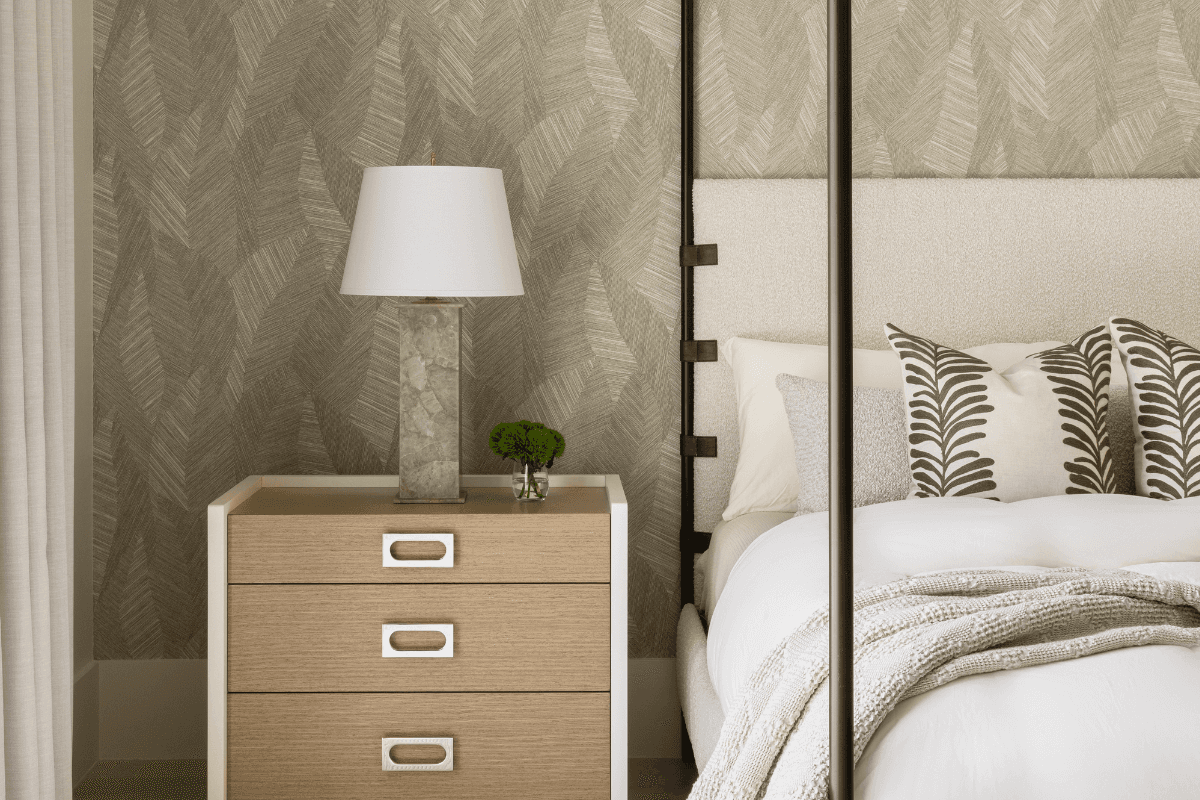
For premium wall finishes (think limewash, Venetian plaster, paneling), expect roughly $10–$40+ per sq ft installed depending on the system.
These finishes are not “required” but they are one of the most effective ways to make a loft feel intentional instead of like an afterthought.
Bathrooms in Loft Conversions
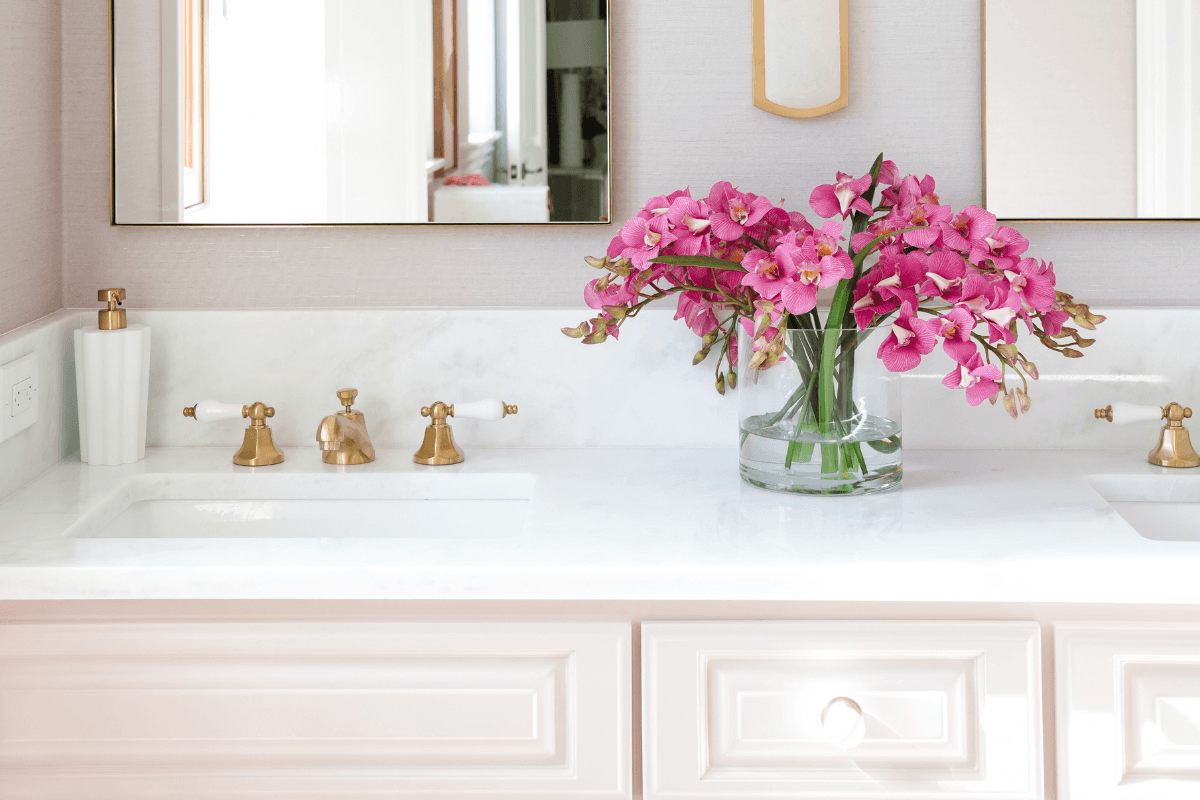
Bathrooms show up often in mid to high-end loft conversions, especially when the loft is being positioned as a guest suite or primary retreat.
A Realistic Range:
Powder room: Often similar to local benchmarks, typically $5,000–$12,000 depending on finishes
Full bath: Commonly $25,000–$60,000+ depending on waterproofing, tile, fixtures, and layout
The key constraint is not always budget. It is headroom, venting, and how plumbing runs through the home.
Lighting Design & Controls
Typical ranges:
Recessed canless LEDs: $50–$150 per fixture installed
Cove lighting: $20–$50 per linear foot
Designer pendants: Can vary from hundreds to several thousand each
Smart lighting controls: Often $2,000–$6,000 for robust systems
A loft benefits from layered lighting: ambient, task, and accent. It makes the space feel calm at night and functional during the day.

Permits, Approvals & Soft Costs
Permits and fees in Palm Beach are not a tiny line item. A realistic range for loft conversions is often $3,000–$15,000+.
This usually includes:
Building permit and valuation-based fees
Plan reviews (building, zoning, sometimes fire)
Sub-permits for electrical, plumbing, and mechanical
Surcharges and potential coastal or historic review layers
Re-inspections and revisions also happen. It is better to plan for them than pretend they never do.
What Drives Loft Conversion Costs Up or Down?
If you want the cleanest mental model, focus on these cost drivers:
Roof complexity: Dormers and rebuilds are expensive, but they create real space
Structural reinforcement: Very common in older homes
Stair design: Simple stairs vs statement stairs is a big swing
Bathroom inclusion: Adds plumbing, ventilation, waterproofing, and finishes
HVAC strategy: Extending ducts vs adding a true separate system
Finish level: Plaster, paneling, beams, and stone change the budget fast
Curious What Your Loft Conversion Could Cost?
Get clear guidance on feasibility, design & budget upfront.
Frequently Asked Questions
Do loft conversions increase home value in Palm Beach?
They can, especially in historic homes, condos, and properties built during Florida’s mid-2000s trend toward double-height great rooms. While those soaring ceilings are architecturally impressive, they often leave untapped vertical volume that can be converted into highly functional square footage. Appraisers tend to respond more to usable bedrooms, offices, or suites than to raw attic or void space, provided the conversion is fully permitted and code-compliant.
Can a loft conversion be done while living in the home?
Sometimes, but it depends on stair placement, roof work, and whether major systems are being modified. Projects involving structural reinforcement or new stairs usually create periods where parts of the home are difficult to use safely.
Are loft conversions harder to insure in Palm Beach?
Not if they are properly permitted and built to current code. In fact, insurance issues typically arise when attic spaces are converted informally without proper structural, electrical, or HVAC upgrades.
How early should design and engineering start for a loft conversion?
Earlier than most people expect. Structural engineering, stair planning, and roof implications should be resolved before pricing or contractor selection to avoid change orders and scope drift later.
Conclusion
Loft conversion cost in Palm Beach is driven less by square footage and more by what the home needs to safely support livable space.
Most projects land between $150 and $350+ per square foot, with a 300 sq ft conversion often ranging from $45,000 to $140,000, and higher when dormers, custom stairs, bathrooms, or premium finishes are involved. Structural reinforcement, HVAC zoning, stair placement, and permitting do the heavy lifting early. Finishes then shape how refined the space ultimately feels.
The key is understanding those cost drivers before framing ever starts.
If you want a clear, tailored view of what a loft conversion could realistically look like in your home, a free discovery call helps assess feasibility, design direction, and budget alignment before contractor conversations begin. Book your call now!
Pricing Disclaimer
The pricing figures referenced in this article are derived from an 18-month trailing analysis of projects completed by reputable contractors using quality materials and industry-standard construction practices. These figures are intended for general informational purposes only. Market conditions, material costs, labor rates, and contractor availability can change rapidly, and Palm Club Design Group makes no representation or guarantee that the prices cited reflect current costs or will apply to any future project. Readers should obtain up-to-date quotations from qualified professionals before making any budgeting or planning decisions.


Thinking About a remodel?